The power of extended cycle time in Montessori education
Why uninterrupted work periods transform learning.
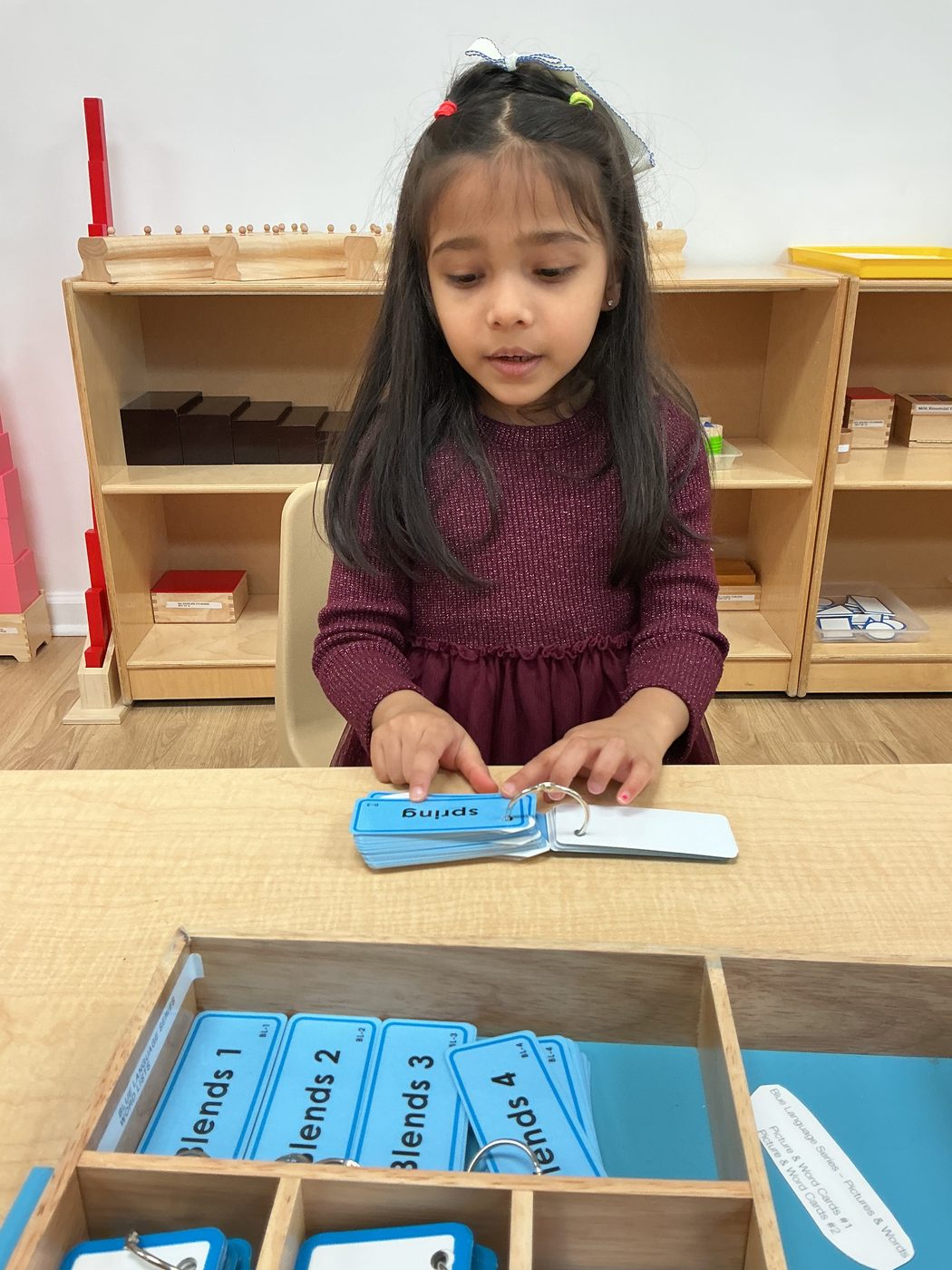
In a Montessori classroom, few things are as sacred as cycle time — the uninterrupted block in which children engage in self-directed, meaningful work. Extended cycle time isn’t just a scheduling preference; it’s foundational to how children develop concentration, competence, and a genuine love of learning.
What is cycle time?
Cycle time is the continuous period during which children have access to classroom materials and the freedom to pursue their chosen activities without interruption. In traditional Montessori practice this is typically 2.5 to 3 hours in the morning, with additional time in the afternoon. Many modern schools compress this significantly — sometimes to just 60–90 minutes — which fundamentally alters the learning experience.
The Montessori research behind it
Dr. Maria Montessori observed something remarkable: when children had sufficient, uninterrupted time, they naturally moved through predictable phases of engagement.
- Initial exploration (10–15 min) — getting oriented, choosing materials.
- Purposeful work (20–40 min) — deep concentration and repetition.
- Mastery & refinement (remaining time) — internalization and independence.
This progression cannot happen in fragmented time blocks. A child interrupted after 30 minutes of work on the Golden Beads, for instance, must restart their concentration the next day — losing continuity and the neurological benefits of sustained focus.
What extended cycle time teaches
1. Concentration. Extended time lets children develop what Montessori called the “absorbent mind.” Concentration is a muscle — it grows with use. Children who get only 10–15 minutes of focus time never build the deep concentration that comes from uninterrupted 60-minute work blocks. The result: better learners across all settings, not just Montessori.
2. Intrinsic motivation. When a child can finish what they start, they experience genuine accomplishment. Artificial time limits create frustration and teach children that external constraints matter more than internal drive. Extended cycle time sends a clear message: your work has value, and you have the time to do it well.
3. The sensitive periods. Montessori education respects sensitive periods — windows of developmental readiness for specific skills like language, order, and movement. A child in a sensitive period for writing needs extended time to practice, repeat, and refine. Interrupting this work disrupts the natural learning arc.
4. Problem-solving & persistence. Facing a challenging puzzle or mathematical concept, children need time to struggle productively. Extended cycle time lets them build resilience and discover solutions independently — far more valuable than being rescued by an adult to “stay on schedule.”
5. Social development. Paradoxically, longer work periods create better social interactions. When children have time to settle into focused work, there are fewer behavioral disruptions. Peaceful concentration creates a classroom culture where children respect each other’s work.
What happens with compressed cycle time?
When cycle time is restricted to 60–90 minutes (or worse, rotating activity blocks), several things break down:
- Children never reach true concentration — they’re just getting settled when it’s time to transition.
- The prepared environment becomes less effective — materials sit unused because there’s no time to explore them deeply.
- Extrinsic rewards replace intrinsic motivation — stickers, charts, and adult praise become necessary.
- Teacher-directed lessons increase — without extended work time, educators feel pressure to “teach” more to fill the gap.
- Montessori becomes just another preschool — the method’s power lies in how children learn, not just what they learn.
The research supports it
Studies on flow states (Csikszentmihalyi) show that deep engagement requires, on average, about 23 minutes just to enter a state of focus. Montessori classrooms with extended cycle time align perfectly with this neuroscience. Children in such environments show:
- Higher academic achievement by elementary school
- Greater self-regulation and emotional intelligence
- Stronger intrinsic motivation for lifelong learning